Chapter 1: dreaming about stories
Once upon a time, when I was child, I always had my head in a book, no matter where we were or what we were doing. Whether we were exploring in the forest or playing on the beach, stories came with me everywhere. Books were never just something I read, they were places I went.
When I was younger, I used to dream that my favourite book would one day be made into a live action film. At the time it felt like a far-off idea, something that belonged firmly in the world of imagination. Now, that dream is finally becoming a reality.
That book was The Faraway Tree by Enid Blyton first published in the 1930s. It tells the story of three children who climb a magical tree, and step into a different fantastical world each time they visit.

Chapter 2: copyright in The Faraway Tree
Although The Faraway Tree was first published decades ago, it is still protected by copyright. Enid Blyton died in 1968, and under UK law her literary works remain in copyright for 70 years after her death. This means the Faraway Tree stories are not yet in the public domain, and the rights to them continue to be actively managed.
Those rights are now overseen by Enid Blyton Entertainment, part of Hachette UK, with The Faraway Tree titles published by Hodder Children’s Books. Copyright protection provides rights holders with exclusive rights over their works. This helps to ensure that original works and their creators are respected, when cherished books, such as The Faraway Tree, are republished, updated for modern audiences, and shared with new generations of readers.
Chapter 3: a licensing adventure
Because copyright is still in effect, the story could not simply be adapted freely. The film adaptation of The Magic Faraway Tree required a licence from the rights holder, granting permission for the characters, story world and setting to be brought to the screen. That licensing process ensures the adaptation is authorised and that the original work is treated with care as it moves into a new format.
The upcoming film feels particularly special to me. I now have children of my own, and after reading them the same book, I cannot wait to take them to the cinema to see that magical world on screen.
Chapter 4: magical trade marks
Alongside copyright and licensing, trade marks also play an important role in protecting the Faraway Tree world. In the UK, a number of registered trade marks exist that relate to Enid Blyton’s works, and the characters, places and titles associated with them.
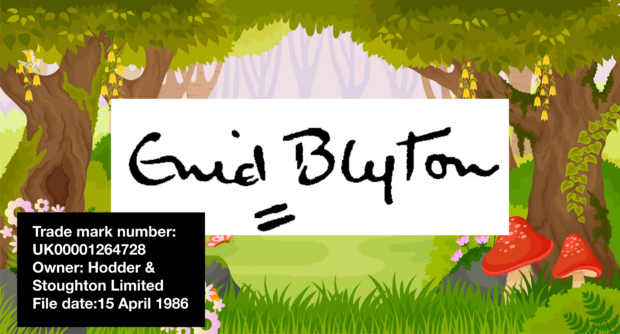
These include registered word marks for ‘The Faraway Tree’ and ‘The Magic Faraway Tree’. The trade marks for Faraway Tree titles are held by Hodder & Stoughton Limited, a major publisher within the Hachette UK group. You can view their portfolio here: trade mark portfolio
Covering areas such as publishing, entertainment, toys, games and media, these trade marks help protect the names and branding linked to the books and their adaptations.
Chapter 5: stories for generations
Behind every familiar story, copyright, licensing and trade marks are playing their part, protecting creative worlds so they can be enjoyed, shared and cared for as they grow. The Faraway Tree is a good example of how intellectual property does not hold a story still, but allows it to adapt, carefully and thoughtfully, from page to screen, and from one generation to the next.
Looking back, it is easy to see that this book has shaped more than just my imagination. It was one of the first stories that made me aware of the power of writing, of how words could build whole worlds and invite others inside them. It is no coincidence that this sense of wonder later led me into writing myself.
Leave a comment