September 22 marks the autumn equinox and for me, without fail, the start of my annual Gilmore Girls rewatch. However, this year Stars Hollow is not my first stop. I’ve decided to go down a very different road, “and the road goes ever and on”, for September 22 is Hobbit Day!
A tale of two birthdays
This date wasn't chosen at random either. September 22 is widely celebrated as the shared birthday of Bilbo and Frodo Baggins and was officially designated as Hobbit Day by the American Tolkien Society in 1978 as part of Tolkien Week.
Shall we go on an adventure
While Bilbo Baggins would probably have been happiest enjoying a quiet life in the Shire with a well-stocked pantry and no unexpected visitors, the world he helped inspire has become anything but quiet.
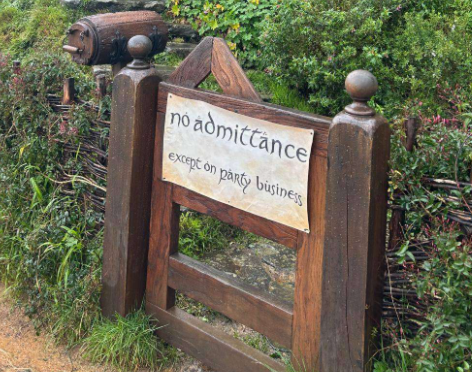
Nearly 90 years after The Hobbit was first published, Middle-earth, the fictional world created by Tolkien, has grown into a global phenomenon. Spanning films, games, merchandise, tourism and countless licensed products, this makes it one of the most successful examples of creative intellectual property ever created.
But let's start at the beginning...
In 1937, J.R.R. Tolkien introduced readers to Bilbo Baggins, a comfort-loving hobbit whose quiet existence is interrupted by an unexpected visit from the wizard Gandalf. Before long, Bilbo finds himself swept into an epic adventure, travelling far beyond the Shire on a journey of a lifetime.
The Hobbit may have started as a story told to Tolkien's children, but like many original creative works, it also concerns intellectual property.
Copyright protects original literary works, including books, stories, poems and illustrations . In Tolkien's case, that protection has helped preserve the unique world of Middle-earth and enabled rights holders to license and commercialise it in a variety of ways over the years.
Copyright helps ensure that creators and rights holders can benefit from the value of their work. In Tolkien's case, a story first published in 1937 has continued to generate cultural and commercial value for decades, long after Bilbo first stepped outside his front door. Tolkien died in 1973, so copyright in his works lasts until 2043, 70 years after his death.
An unexpected IP journey
Copyright may have helped protect Tolkien's original stories and characters, but it has also helped Middle-earth travel far beyond the pages of a book.
Through licensing agreements, Tolkien's world has been adapted into films, video games, music, merchandise and tourism experiences enjoyed by fans across the globe. If you’ve sipped a robust black tea from a Hobbit mug or wiped your feet on a Lord of the Rings door mat after an eventful morning hob knobbing around the shire, you’ve experienced the impact of licensing in action.
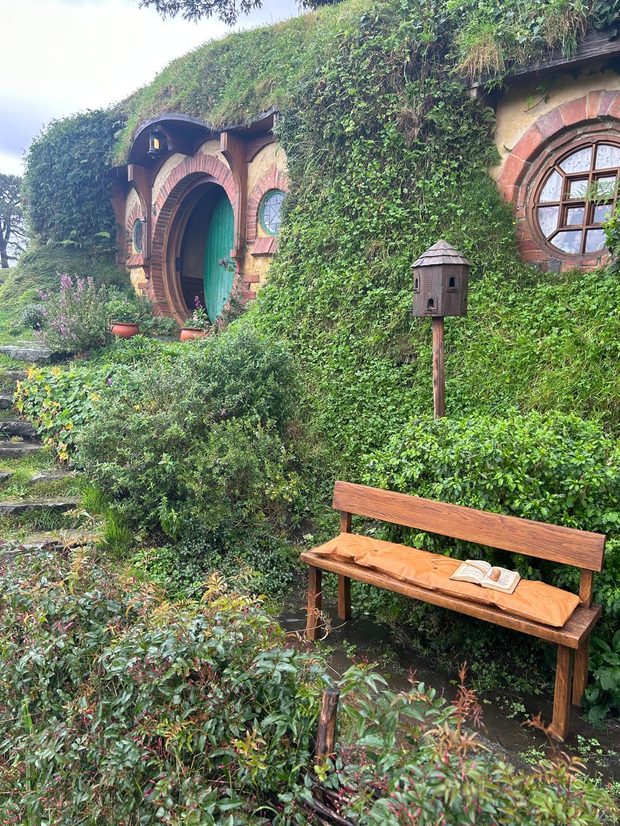
Nearly a century after it was first published, appreciation for The Hobbit shows no sign of relenting, proving that a great idea can travel far when protected through intellectual property.
Not bad for a Hobbit who never wanted an adventure in the first place.
1 comment
Comment by Clive Bonny posted on
Very enjoyable blog thanks!. UK authoring is world class. May I just mention that copycats are now targeting authors with online books copying titles and front cover designs. One of my own books Business Ethics has been scooped up by an Ai platform so I recommend IPO design protection. It's as good as Gandalf's wand and very affordable to boot!